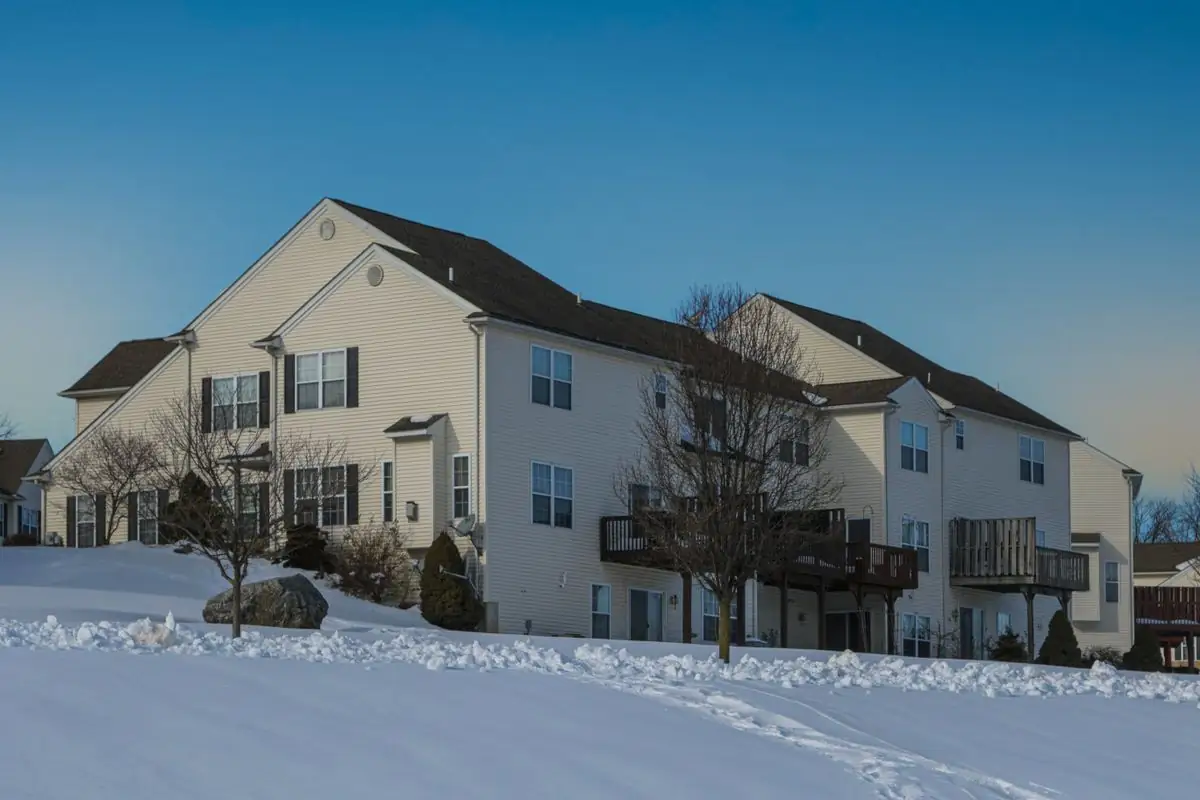
Housing at a glance: Observatory
- Typical eras
- Established 1960s to 80s streets plus 2010s and 2020s construction
- Common pipe
- PEX and PVC in new builds; copper, ABS and cast iron in older homes
- Watch for
- New-build settling, untested sumps, aging stacks, mature tree roots
First years in a new house
- New construction near the observatory park has PEX manifolds, PVC drains and sump pits that the builder installed and the buyer has never looked at. Common early calls include fittings that weep at the manifold, a laundry standpipe that overflows because a construction rag is inside it, and a sump pump that never ran until the first April storm.
- While your house is still inside its Tarion coverage window, some of these items may belong to the builder. Check your warranty paperwork before paying for a repair that should be theirs; we are happy to document what we find so your claim is clear.
Older streets nearby
- The established houses closer to Hillsview and the older parts of Bayview have copper supplies, ABS branches and sometimes a cast iron section where the stack meets the floor. Mature maples on these lots send roots toward older laterals, and a main that slows down every summer is a common story.
- Those homes are also where we replace seized main valves, worn shower cartridges and water heaters that have been rentals since the 1990s.
What we check in these homes
- Manifold fittings in new builds
- Sump pump run test after closing
- Warranty items versus owner repairs
- Root intrusion on older laterals
- Drainage changes near construction
Drainage in a changing area
- Large-scale construction changes how surface water moves. Homeowners near new development sometimes notice their sump runs more often or a corner of the basement gets damp for the first time. A sump pump test and a look at where the discharge goes are a sensible first step.
- If the discharge pipe empties toward a newly graded slope that sends water back at the house, it may need extending or redirecting.
Keep the paperwork
- For new homes, keep a folder with the plumbing permit, the water heater model and whether it is rented, and the location of every shut-off. For older homes, note when the main was last cleaned and what the camera showed. That history makes every future visit faster.
- Our job-book entry after each visit is written to go in that folder.
Richmond Hill note: most houses here sit on York Region municipal water with fairly hard supply, and many basements have a floor drain tied to the sanitary lateral. Mention both on the phone; it changes what goes on the truck.
Want a second opinion on your own pipes first? Dial (365) 363-1575; the person answering holds the wrench.